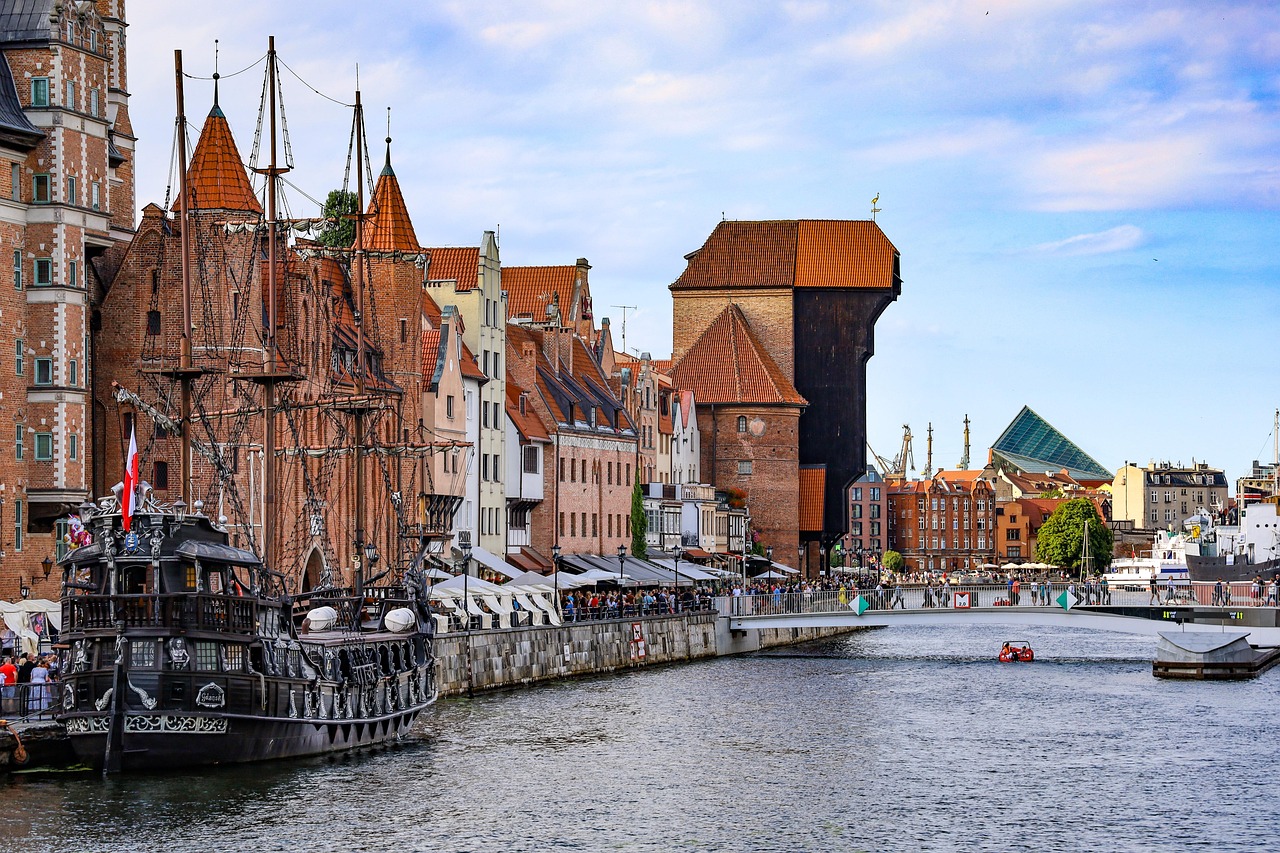
Here’s the English version of the revised article with an expanded historical section about Krakow:
🇵🇱 Poland: The Hidden Gem of Eastern Europe — And Why Krakow Is a Must-Visit City
Poland, located in the heart of Central Europe, is an underrated destination that offers a fascinating blend of rich history, breathtaking landscapes, and vibrant cities. While still off the radar for many Arab travelers, those who visit once often find themselves returning—especially to Krakow, the historic jewel of southern Poland and one of the country’s most enchanting cities.
🌍 Quick Facts About Poland
- Location: Central Europe, bordered by Germany, Czech Republic, Slovakia, Ukraine, Belarus, Lithuania, and the Baltic Sea
- Currency: Polish Zloty (PLN)
- Language: Polish (English is widely spoken in major cities)
- Best time to visit: May to September (for pleasant weather), or December for magical Christmas vibes
🏰 Krakow: Poland’s Royal Capital and City of Legends
🕰️ Expanded Historical Overview:
Krakow is one of the oldest and most historically significant cities in Poland, with roots dating back to the 7th century. Originally a Slavic settlement built on Wawel Hill beside the Vistula River, it evolved into a major trade and cultural hub. It was first mentioned in official records in 965 AD by Ibrahim ibn Yaqub, an Arab Jewish merchant who described Krakow as a thriving commercial center.
In 1038, Krakow became the capital of Poland—a status it held until 1596 when King Sigismund III Vasa moved the capital to Warsaw. During these centuries, Krakow flourished as the royal seat of power and the cultural heart of the Polish Kingdom. Many of the country’s monarchs were crowned and buried at Wawel Cathedral, a site that remains deeply symbolic in Polish identity.
Renaissance and Academic Golden Age:
Krakow experienced a cultural renaissance in the 15th and 16th centuries. The establishment of Jagiellonian University in 1364, one of the oldest in Europe, transformed the city into a center for education, science, and humanism. The famed astronomer Nicolaus Copernicus studied there, paving the way for revolutionary ideas that changed the course of history.
Under Foreign Rule and During War:
After Poland’s partition in the late 18th century, Krakow came under the control of the Austro-Hungarian Empire. Despite foreign rule, the city retained its Polish character and became a symbol of national resistance and cultural preservation.
During World War II, Krakow was occupied by Nazi Germany and made the seat of the General Government. Unlike Warsaw, Krakow was spared widespread destruction, which is why much of its original medieval and Renaissance architecture still stands today. However, the city witnessed tragic events, especially concerning its Jewish population.
Following the war, Krakow was rejuvenated and gradually restored to its cultural prominence. It was one of the first places to be recognized as a UNESCO World Heritage Site in 1978 due to its remarkably preserved old town and historical significance.
Today, Krakow is a vibrant blend of ancient charm and modern energy—a living museum of Polish heritage and a must-visit destination for anyone interested in history, art, and architecture.
🏞️ Top Attractions in Krakow
1. Main Market Square (Rynek Główny)
- One of the largest medieval squares in Europe
- Lively with cafés, horse carriages, and street performers
- Key landmarks include:
- Cloth Hall (Sukiennice): historic trading hub
- St. Mary’s Basilica: famous for its asymmetrical towers and hourly bugle call
2. Wawel Castle & Cathedral
- Overlooks the Vistula River from Wawel Hill
- Former royal residence and burial site of kings
- Houses lavish royal chambers, art collections, and the legendary Wawel Dragon’s Den
3. Kazimierz Jewish District
- Once the heart of Jewish life in Krakow
- Now a trendy, artistic neighborhood filled with synagogues, vintage shops, and street food
- Filming location of Schindler’s List
4. Oskar Schindler’s Factory Museum
- Tells the story of Krakow during Nazi occupation
- Highlights the heroic efforts of Schindler in saving over 1,200 Jews
5. Wieliczka Salt Mine (UNESCO Site)
- Located 30 minutes from Krakow
- Features underground chapels, sculptures, and entire halls carved from salt
- A unique and surreal subterranean world
6. Auschwitz-Birkenau Memorial and Museum
- Located about 1.5 hours from Krakow
- A haunting but essential visit to understand the horrors of the Holocaust
- Guided tours are available in multiple languages
✨ Recommended Activities in Krakow
- Take a horse carriage ride or walking tour through the Old Town
- Enjoy traditional Polish cuisine like pierogi (dumplings), bigos (hunter’s stew), and żurek (sour rye soup)
- Join a river cruise on the Vistula River
- Explore local markets and antique shops
- Attend a folklore music or classical concert in a historic church
🧭 Travel Tips
- Currency: Some places accept euros, but it’s best to use Polish zloty.
- Transport: The city is very walkable; trams and ride apps like Bolt are available.
- Language: English is common among younger locals; less so with older generations.
- Safety: Krakow is very safe, but stay aware in crowded tourist areas.
- Souvenirs to buy: Amber jewelry, handmade ceramics, local woodcrafts, and Polish vodka.
🏨 Where to Stay in Krakow
- For luxury: Hotel Stary, Sheraton Grand Krakow
- For boutique stays: apartments and guesthouses in Stare Miasto (Old Town)
- Staying centrally allows easy access to all major attractions on foot
📚 Final Thoughts
Krakow is more than just a pretty city—it’s a storybook of European history brought to life. From royal coronations to wartime survival, from medieval squares to salt-carved cathedrals, it offers travelers a chance to witness centuries of culture and resilience in one walkable, welcoming city.
Whether you’re a history lover, architecture enthusiast, foodie, or casual traveler—Krakow awaits you with open arms and a thousand stories to tell.