Chobe National Park Travel Guide: Botswana’s Ultimate Safari Experience
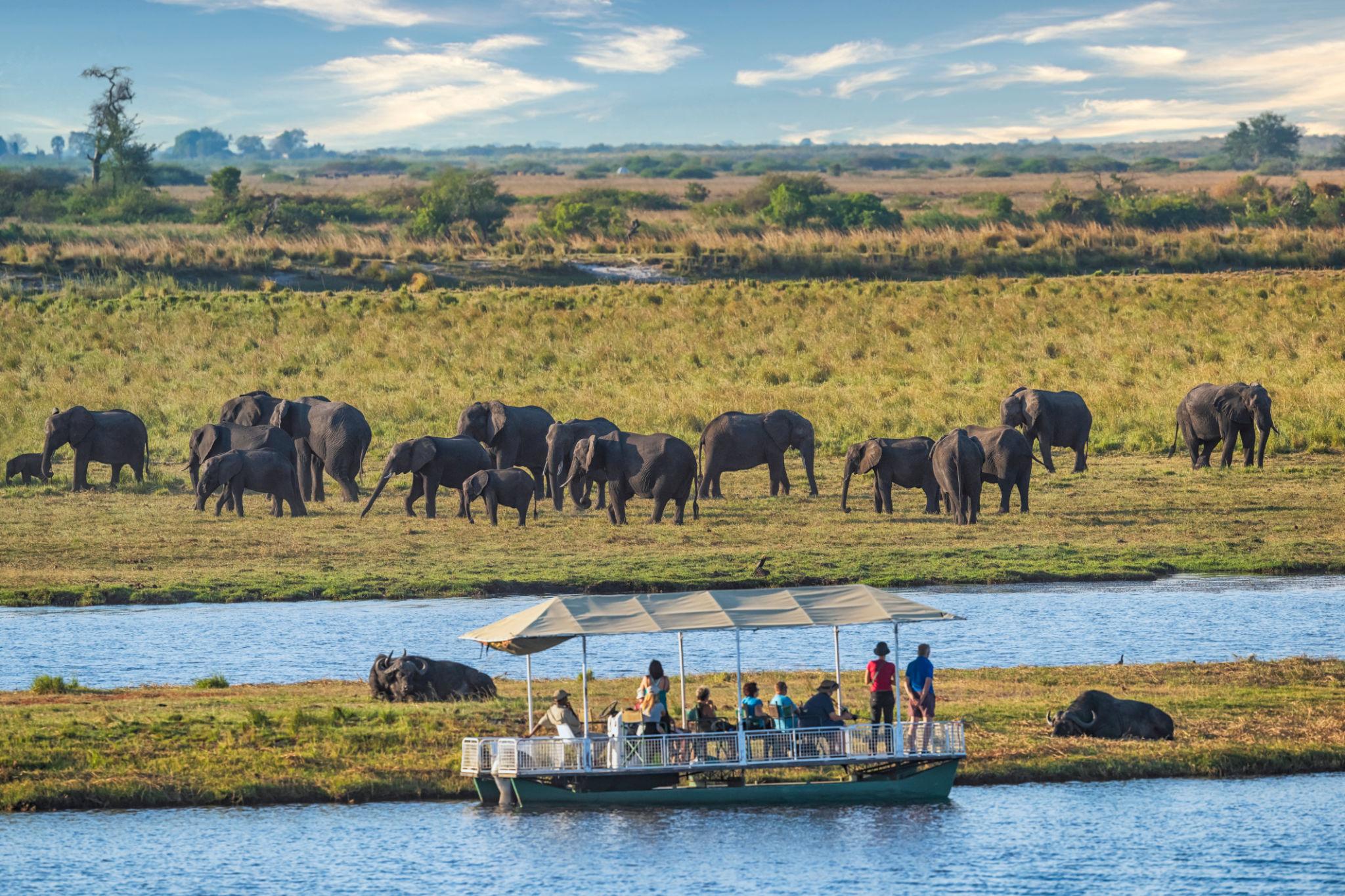
Imagine cruising along a peaceful African river as elephants gather along the shoreline, hippos emerge from the water, and the golden afternoon sunlight transforms the landscape into a breathtaking scene.
Welcome to Chobe National Park, one of Botswana’s most remarkable wildlife destinations and an unforgettable place to experience an authentic African safari.
Famous for its elephants, diverse wildlife, and extraordinary river safaris, Chobe offers visitors a unique opportunity to observe animals in their natural environment.
Whether you’re planning your first safari or combining Botswana with a visit to Victoria Falls, this Chobe National Park travel guide will help you discover the best experiences, wildlife encounters, and practical travel tips.
1. Where Is Chobe National Park?
Chobe National Park is located in northern Botswana, close to the borders with Zimbabwe, Zambia, and Namibia.
Established in 1967, it covers approximately 11,700 square kilometers and protects several distinct ecosystems, including riverfront habitats, floodplains, woodland, and savanna.
The park is particularly well known for the Chobe Riverfront, an area where wildlife frequently gathers near the water.
The nearby town of Kasane serves as one of the main gateways to the park, offering accommodation, safari activities, and transportation connections.
Because of its location, Chobe is also a popular addition to itineraries that include Victoria Falls.
2. Why Is Chobe National Park So Famous?
Chobe National Park is internationally recognized for its remarkable elephant population.
Botswana is home to one of Africa’s largest elephant populations, and the Chobe region is particularly important for these magnificent animals.
During the dry season, large groups of elephants frequently gather near the Chobe River to drink, bathe, and cross between feeding areas.
Watching elephants interact in their natural habitat is one of the most memorable experiences a traveler can have in Southern Africa.
But Chobe is much more than an elephant destination.
The park also supports buffalo, giraffes, zebras, antelopes, hippos, crocodiles, lions, leopards, and an extraordinary variety of birdlife.
Wildlife sightings depend on the season, location, and natural animal movements, so every safari offers a different experience.
3. Chobe River Safari: An Unforgettable Wildlife Experience
One of the greatest highlights of visiting Chobe National Park is taking a boat safari along the Chobe River.
Unlike a traditional safari vehicle, a boat allows visitors to observe wildlife from the water.
This creates an entirely different perspective and provides excellent opportunities for photography.
As the boat moves slowly along the river, visitors may encounter elephants drinking at the shoreline, hippos resting in the water, crocodiles basking on riverbanks, and waterbirds searching for food.
During the dry season, the river becomes particularly important for wildlife, often creating remarkable viewing opportunities.
Why Choose a Boat Safari?
A Chobe River boat safari offers several advantages:
- A different perspective of animals near the water.
- Opportunities to observe elephants swimming or crossing channels.
- Excellent birdwatching and wildlife photography.
- Beautiful river scenery and reflections.
- A relaxing alternative to a vehicle-based game drive.
Late-afternoon cruises are especially popular because of the softer light and beautiful sunset views.
Watch Our Chobe River Safari Experience
[INSERT YOUR CHOBE RIVER SAFARI YOUTUBE VIDEO HERE]
Experience the landscapes and wildlife of Botswana through our travel footage from the Chobe River.
4. Game Drives in Chobe National Park
While boat safaris are one of Chobe’s signature experiences, traditional game drives are equally rewarding.
Exploring the park in a safari vehicle allows visitors to travel through woodland, grassland, and riverfront habitats.
Early morning game drives can be particularly interesting because many animals are more active during cooler hours.
Depending on conditions and luck, visitors may encounter:
- Elephants moving between feeding areas.
- Buffalo herds grazing near the river.
- Giraffes feeding among trees.
- Zebras and various antelope species.
- Lions resting or hunting.
- Leopards, which are generally more difficult to spot.
For the most complete experience, consider combining a morning game drive with an afternoon river safari.
The two activities complement each other beautifully.
5. The Best Time to Visit Chobe National Park
Chobe offers wildlife experiences throughout the year, but the seasons can influence animal movements, landscapes, and travel conditions.
Dry Season: Approximately May to October
The dry season is generally considered one of the best periods for wildlife viewing along the Chobe Riverfront.
As natural water sources become less available inland, many animals gather around the river.
This period can offer excellent opportunities to observe elephants, buffalo, and other wildlife.
Temperatures may be cool in the mornings during the earlier dry-season months, while conditions often become hotter toward September and October.
Green Season: Approximately November to April
During the wetter months, the landscape becomes greener and more lush.
This season can be particularly rewarding for birdwatchers, with migratory species and breeding activity adding to the experience.
Young animals may also be seen in some areas.
However, wildlife can be more dispersed, and rain may affect certain routes and activities.
Which Season Should You Choose?
If your priority is seeing large concentrations of wildlife near the river, the dry season is generally an excellent choice.
If you prefer green landscapes, birdlife, and a different safari atmosphere, the wetter season can also be rewarding.
6. Animals You Might See in Chobe
Chobe National Park offers an extraordinary range of wildlife encounters.
African Elephants
<AsyncImage query=”African elephants herd drinking at Chobe River Botswana safari wildlife photography” aspectRatio=”16:9″/>
Elephants are undoubtedly among Chobe’s most iconic residents.
Visitors may observe family groups with calves, large adult bulls, and fascinating social behavior.
Elephants use their trunks for drinking, feeding, communication, and interacting with other members of the herd.
Watching a family of elephants gather at the river is often one of the highlights of a Botswana safari.
Hippos and Crocodiles
<AsyncImage query=”hippopotamus Chobe River Botswana wildlife close up boat safari” aspectRatio=”16:9″/>
The Chobe River provides important habitats for hippos and Nile crocodiles.
Hippos spend much of the day in water and frequently become more active on land after dark.
Although they may appear calm, hippos are powerful wild animals that require considerable distance and respect.
Lions and Other Predators
<AsyncImage query=”African lion Chobe National Park Botswana safari grassland” aspectRatio=”16:9″/>
Chobe is also home to lions, leopards, and other predators.
Sightings are never guaranteed, and the opportunity to observe predators depends on many factors, including the time of day and their movements.
Birdlife
<AsyncImage query=”African fish eagle Chobe River Botswana bird perched river wildlife” aspectRatio=”16:9″/>
The park is an excellent destination for birdwatching.
Visitors may encounter African fish eagles, kingfishers, herons, bee-eaters, and many other species around the river.
Bringing binoculars can make the experience even more rewarding.
7. Can You Visit Chobe National Park from Victoria Falls?
Yes. One of the advantages of visiting northern Botswana is its proximity to Victoria Falls.
Many travelers combine these two destinations in a single Southern Africa itinerary.
Chobe is accessible by road from the Victoria Falls region, with border formalities depending on the route and countries involved.
A Popular Combination
Victoria Falls + Chobe National Park
This itinerary offers two completely different experiences:
- Victoria Falls: dramatic waterfalls, spectacular viewpoints, and the Zambezi River.
- Chobe National Park: wildlife safaris, elephant encounters, and beautiful river landscapes.
Travelers staying near Victoria Falls may choose a day trip to Chobe, although spending one or two nights in the Kasane area provides more time for safari activities.
Continue Your African Adventure
Read our related article:
Victoria Falls Travel Guide: Best Views, Activities & Travel Tips
[INSERT LINK TO YOUR PUBLISHED VICTORIA FALLS ARTICLE]
8. How Many Days Do You Need in Chobe?
The ideal duration depends on your interests and travel schedule.
One Day: A Safari Introduction
A day trip can include a game drive and a boat safari, depending on the operator’s itinerary.
This is a practical option for travelers visiting from Victoria Falls.
Two Days: A More Relaxed Experience
Two days allow additional opportunities to explore the park and enjoy the river.
You can experience different safari times and spend more time observing wildlife.
Three Days or More: For Wildlife Enthusiasts
Travelers who love wildlife photography or want a slower-paced safari may benefit from staying longer.
Additional days can increase opportunities for sightings, although no particular encounter can be guaranteed.
9. Essential Tips for Visiting Chobe National Park
A successful safari begins with good preparation.
What to Wear
Choose comfortable clothing in neutral colors such as beige, olive, or brown.
Lightweight clothing is suitable for warm weather, while a jacket may be useful during early morning game drives or cooler months.
Comfortable closed shoes, a hat, and sunglasses are also recommended.
What to Bring
- Binoculars for wildlife viewing.
- A camera or smartphone with sufficient storage.
- Sunscreen and insect repellent.
- Drinking water.
- A light jacket for morning activities.
- A waterproof bag for electronics during boat trips.
Wildlife Safety
Always follow your guide’s instructions.
Do not feed animals, approach wildlife, or leave designated areas without permission.
Maintain a respectful distance, particularly from elephants, hippos, and predators.
Entry Requirements
Botswana’s visa requirements depend on nationality and passport type.
If you’re combining Botswana with Zambia or Zimbabwe, confirm entry and re-entry requirements for every country on your route before traveling.
Use official immigration and embassy sources for current information.
10. Is Chobe National Park Worth Visiting?
Absolutely.
Chobe National Park offers a remarkable combination of African wildlife, scenic river landscapes, and unforgettable safari experiences.
What makes it especially distinctive is the opportunity to explore wildlife habitats from both land and water.
A morning game drive and an afternoon river safari can reveal completely different sides of the same destination.
For travelers interested in nature, photography, wildlife, and authentic African experiences, Chobe deserves a place on their itinerary.
And when combined with Victoria Falls, it becomes part of an extraordinary Southern Africa adventure.
Discover Botswana and Southern Africa with Best Traveler
At Best Traveler, we believe the best journeys are those that connect travelers with nature, cultures, and unforgettable experiences.
From the breathtaking power of Victoria Falls to the extraordinary wildlife of Chobe National Park, Southern Africa offers remarkable adventures.
We create tailor-made travel experiences and carefully organized group journeys to help travelers explore the world with confidence.
Whether you’re planning a wildlife safari, a scenic escape, or a multi-country African adventure, let us help you create a journey worth remembering.
Explore Our Travel Experiences: https://bestraveler.com
Travel with purpose. Discover the world with passion.
Best Traveler