Why Visit Hoi An and Da Nang Together
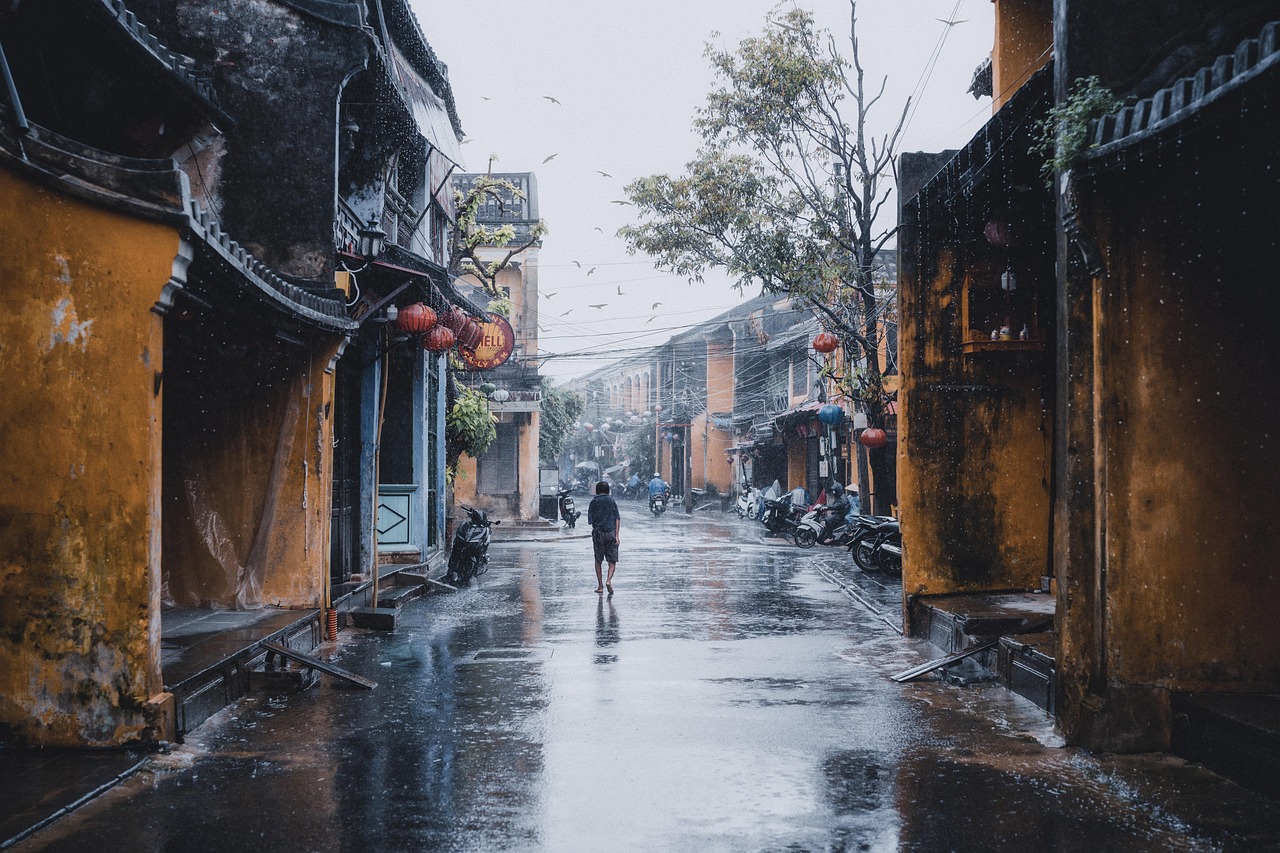
On the coast of central Vietnam, two cities sit a short drive apart yet keep very different moods. Da Nang is broad and modern, with wide avenues, a long beach and a bridge over the river. Hoi An is a small riverside town of ochre walls and silk lanterns, where the pace drops as the evening light turns amber. Together they offer comfort and heritage in balanced measure, and a stay that moves between the two rarely feels rushed.
Top Sights in Hoi An
The Old Town is the reason most visitors come, and it rewards slow walking. It was once a trading port where Chinese, Japanese and European merchants settled, and their influence remains in the shophouses, family temples and assembly halls (meeting houses built by merchant communities from southern China). The Japanese Covered Bridge is the best-known landmark, a small roofed crossing that is open to walkers and is the town’s quiet emblem.
A heritage ticket is needed to enter the individual attractions. It is checked at each site rather than at the edge of town, and it covers only a selection of the heritage sites, so it is worth choosing the old houses, halls and museums that interest you most. The sites keep set hours, and the ticket booths follow a separate schedule.
When the daylight softens, the riverbank becomes the main stage. Paper lanterns glow along the Thu Bon River, small boats drift past, and the lanes fill with the sound of unhurried conversation. Beyond the centre, An Bang Beach offers open sand, and the coconut groves near Cam Thanh are known for round basket boats that spin gently along narrow waterways.
Top Sights in Da Nang
Da Nang opens outward, toward the sea and the hills. My Khe Beach stretches along the east of the city, and its wide shoreline suits early walks and calm evenings. Across the bay, the Son Tra Peninsula rises green and forested. Linh Ung Pagoda stands there, and its white Lady Buddha, 67 metres tall, can be seen from far along the coast. The statue is free to visit, and the viewpoints nearby look over the city and the water.
South of the centre, the Marble Mountains form a cluster of five limestone and marble hills. Thuy Son is the only one open to visitors. Its stairways lead to caves, small pagodas and lookouts, and it keeps fixed daytime hours. Sturdy shoes are useful, because the stone steps can be uneven.
In the city itself, the Museum of Cham Sculpture holds carvings from the Cham, an ancient kingdom of central Vietnam whose brick towers still stand in several places nearby. The Dragon Bridge crosses the Han River in the shape of a long steel dragon. On selected nights it breathes fire and water, and local crowds gather on the banks to watch.
Ba Na Hills and the Golden Bridge
About 25 km from Da Nang, Ba Na Hills rises into cooler air, and the road takes roughly 45 minutes by car. Its most photographed feature is the Golden Bridge, a pedestrian walkway held up by two enormous stone hands that seem to emerge from the mountainside. The bridge has no separate fee and is reached by cable car.
Weather decides much of the experience. From about September to February the bridge is often inside cloud, and the view becomes a soft white screen rather than a wide panorama. Cable cars and outdoor rides can be paused when conditions are unsafe, and some stations stop running in the late afternoon. An early start is therefore wise. The station used to reach the bridge can also vary, so it is sensible to ask which route is operating on the day.
Markets in Hoi An and Da Nang
Markets here are not only places to buy but also places to understand the city. In Da Nang, Han Market stands on Tran Phu Street, near the Han River and the Dragon Bridge. It is less touristy than some better-known markets and suits first-time visitors looking for souvenirs, dried snacks and textiles. Con Market, on Hung Vuong Street, is better for street food and gives a clearer picture of everyday local shopping.
Hoi An Central Market is at its liveliest early in the morning, when fish, herbs and vegetables arrive fresh and the stalls are crowded. By late morning it has largely wound down. In the evening, the night market on Hoang Nguyen Street takes over, with lanterns, handicrafts and small snacks arranged along the road. Friendly bargaining is common at souvenir stalls, though fixed prices apply at food counters.
Local Food and Halal Dining
The food of central Vietnam is built on contrast: soft noodles with crisp herbs, sweet broths with sharp chilli. Cao lau is the signature dish of Hoi An, made of thick, chewy noodles with greens and herbs. Mi Quang is a Da Nang favourite, a turmeric-coloured noodle dish served with very little broth. Other dishes worth knowing include banh mi (the Vietnamese filled baguette), white rose dumplings, banh xeo (a crisp savoury pancake), and chicken rice. Along the coast, grilled seafood is a natural choice.
Many traditional recipes contain pork or use pork stock, even when pork is not obvious. Da Nang has few dedicated halal restaurants, while Hoi An has a small number of halal-run places. Seafood, vegetable dishes and fresh fruit are easier options, and it is wise to confirm ingredients and halal status directly with each restaurant. Fresh coconut, sugarcane juice and Vietnamese iced coffee are widely available and refreshing in the heat.
Getting Around
The two cities are linked by a short coastal road. Ride-hailing apps and electric taxis operate in both places, and they are a simple way to move between the beach, the bridge and the old quarter. The Old Town centre is largely a pedestrian area, so it is best explored on foot, while a car is the most comfortable choice for Ba Na Hills
Best Time to Visit
February to April is the most comfortable period for Hoi An, with pleasant warmth and calmer skies. For Da Nang, the good season extends a little further, into May. Typhoon risk in central Vietnam peaks from September to November, with October and November historically the most active. The Hoi An Old Town is prone to flooding from late October to mid-December, and many businesses close while the water is high. Planning around these months protects both the schedule and the mood of the trip.
Practical Tips
- Light, breathable clothing suits the humid climate, while covered shoulders and knees are expected at pagodas and temples.
- Sun protection, a hat and a refillable water bottle are useful for walking and for the Marble Mountains.
- Old Town sites close earlier than the evening lantern atmosphere suggests, so heritage visits are best planned for daylight.
- Carrying small notes and some cash helps at markets and food stalls, where card payment is not always possible.
- Hoi An is best explored slowly, and an unhurried evening by the river often becomes a highlight.
- Ba Na Hills is best reached early in the day, when queues are shorter and cloud is less likely to settle.
In Da Nang the sea sets the pace, in Hoi An the river does, and together they leave a calm that lingers well after the journey ends.
Sources
- Hoi An Entrance Fee 2026
- Hoi An Entrance Ticket 2026
- What Closed in Da Nang (2026)
- Ba Na Hills and the Golden Bridge
- Ba Na Hills Guide
- Da Nang Local Market Guide
Featured image: Photo by trilemedia on Pixabay.
Entry requirements, opening hours, and seasonal conditions can change. Please confirm the details with official sources before you travel.